Begin with the Lansing facade and the soil on it
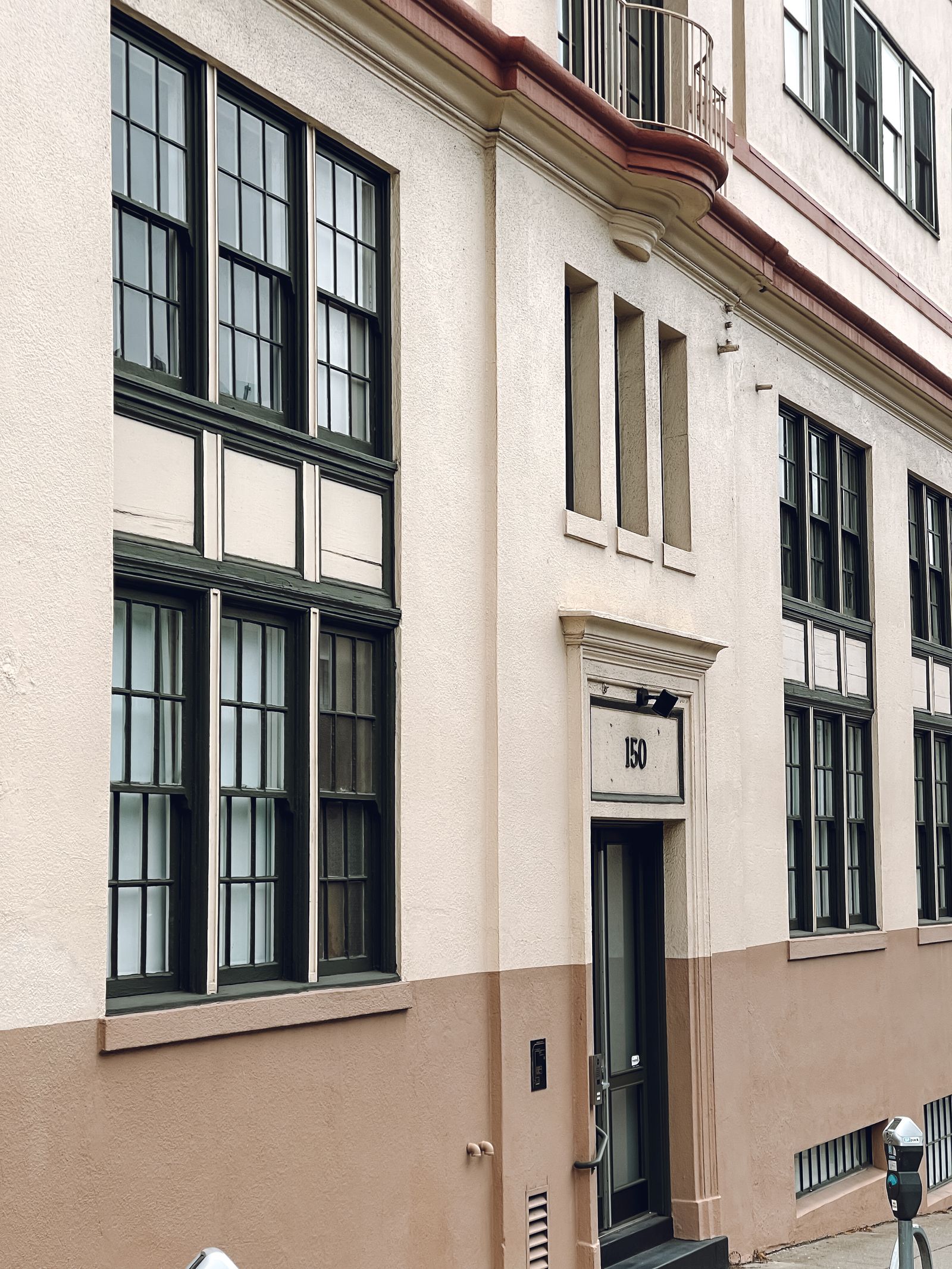
Greater Lansing properties often combine older brick and mortar with newer glass, precast, aluminum panels, painted steel, EIFS, stucco, sealants, signage, and repaired sections. Capitol-area buildings may include historic details and public entrances. A medical office or hospital campus may have covered drop-offs, air intakes, patient paths, landscaping, and strict access routines. A distribution or manufacturing building near Lansing Road, Aurelius Road, Jolly Road, or the airport area may have dock doors, truck lanes, shift changes, and road film on the lower elevations. A hotel or mixed-use building downtown may need customer access preserved throughout the workday. Each zone should be assessed separately rather than treated with one preset pressure setting.
Soft washing can be appropriate for compatible organic growth, algae-like film, mildew-like staining, pollen, bird residue, and atmospheric soil when the chemistry, dwell time, pressure, rinse, and protection plan match the surface. It is not a repair for open mortar, failed sealant, leaking roof edges, spalled concrete, corrosion, failing paint, or wet insulation. A dark streak may be mineral scale, salt, soot, oxidation, or a drainage defect instead of removable biological soil. The quote should identify what the condition appears to be, where a test area is appropriate, what result is realistic, and which restoration or repair work is outside a routine wash.
- Separate brick, mortar, concrete, glass, metal, EIFS, stucco, painted, and coated zones.
- Distinguish organic soil from salt, minerals, oxidation, soot, and envelope problems.
- Use a test area when repairs, coatings, historic materials, or finish history create uncertainty.
- Keep leak diagnosis, masonry repair, glass restoration, and coating replacement outside routine washing.
Schedule around state, campus, healthcare, and business traffic
The property address should drive the sequence. Downtown Lansing and the Capitol complex can involve pedestrians, public meetings, events, curb parking, government entrances, security procedures, and narrow staging areas. East Lansing and the MSU area can add students, buses, bikes, athletic events, residence traffic, and active campus walks. A healthcare facility along the Michigan Avenue or Frandor-area corridors may need patient drop-off kept clear and may require notice around emergency access, loading, pharmacy deliveries, and air-handling equipment. Offices near Okemos, Delta Township, and Eastwood may have tenant entrances, customer parking, and daytime appointments that need a clear path.
Manufacturing, warehouse, and logistics properties may prefer a window between shifts or a sequence that keeps a dock operational. Hotels and conference properties may need work before guest arrival, after departures, or in sections that avoid event traffic. Before equipment arrives, the facility contact should identify accessible routes, public entrances, fire lanes, loading appointments, outdoor seating, cameras, sensitive equipment, landscaping, and the person authorized to pause the job. A practical scope can keep one entrance open while another is controlled, but that decision belongs in the plan rather than being improvised on site.
Account for snow, freeze-thaw, pollen, and rain
Lansing winters can leave salt and brine patterns around garage ramps, curb lines, dock aprons, parking entrances, and lower walls beside busy routes. Spring thaw can move that residue toward catch basins, grass edges, and pavement joints. Freeze-thaw cycles can expose loose mortar, cracked sealants, spalled concrete, or water paths that should be documented rather than covered. North-facing walls, recessed entries, and areas below roof edges may dry slowly. Spring pollen and tree debris can collect on ledges and canopies, while summer humidity and repeated rain can support recurring organic film. Autumn leaves may reveal overflowing gutters or streaks caused by blocked drainage.
A Lansing work window should consider temperature, wind, rain, lightning, ice, surface moisture, and drying time. Wind affects overspray, public separation, hoses, plant protection, and any potential aerial work. Rain can dilute an application and carry water toward an unplanned low point. Freezing conditions can create unsafe paths and undermine the result. The proposal should state pause triggers and explain how mineral deposits, oxidation, salt, soot, or drainage defects will be handled. A maintenance schedule can be discussed after the initial condition is understood, but the first quote should stay tied to the actual elevations and outcome requested.
- Inspect lower walls, ramps, docks, and curb lines for winter salt and repeated water paths.
- Review wind, rain, temperature, lightning, ice, surface moisture, and drying conditions.
- Check roof edges, gutters, parapets, and joints that may create repeat streaks.
- Set weather pause and reschedule conditions before barriers, hoses, or equipment are placed.
Choose aerial assistance only when the site supports it
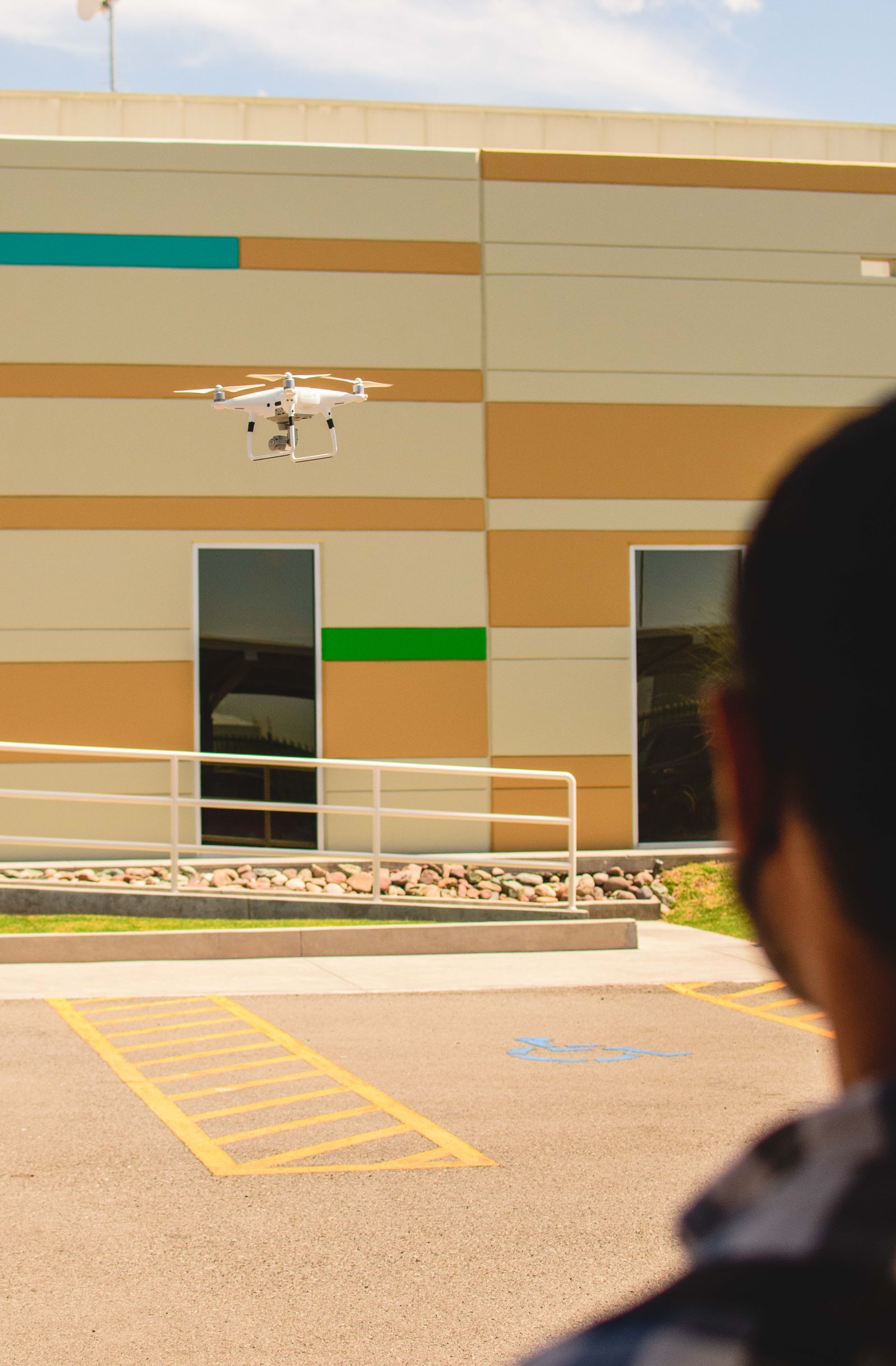
Drone-assisted application or rinsing may be considered for suitable broad upper elevations when there is a safe launch and recovery area, adequate stand-off distance, visual control, workable wind, public separation, and coordinated ground support. It can reduce some repositioning along selected parapets, sign bands, ledges, or upper walls. It does not make an unsuitable chemical appropriate, confirm concealed damage, contact-clean glass, brush recessed details, remove bonded mineral scale, or repair a facade. The proposal should identify where aerial support is expected and what remains hand, pole, lift, or ground work.
Lansing and East Lansing sites may include overhead utilities, trees, rooftop equipment, balconies, signs, busy roads, campus activity, neighboring buildings, and airport-related considerations near Capital Region International Airport. Commercial drone operations remain subject to applicable Federal Aviation Administration requirements. Property-owner permission does not replace aviation rules, visual-line-of-sight obligations, people and vehicle separation, or any required authorization. If the controls are not adequate, a pole, lift, ground setup, or different work window is the better choice. Height alone does not determine the method; facade condition and the operating environment do.
A hybrid scope may use aerial support on an appropriate upper wall, a water-fed pole for selected glass, controlled low-pressure work on durable concrete, and hand detailing around entries, canopies, signs, door hardware, and storefront frames. The quote should describe those zones plainly so the facility team understands what the equipment can and cannot accomplish.
Protect people, equipment, landscaping, and drainage
Before application or rinsing, map sidewalks, accessible routes, doors, parking aisles, loading areas, air intakes, cameras, electrical equipment, landscaping, vehicles, outdoor dining, and neighboring property. Lansing sites may drain toward curb inlets, detention areas, grass swales, parking-deck low points, or pavement joints that move water farther than expected. The field plan should identify water access, hose routing, barriers, spotters, public separation, plant protection, emergency paths, and the person who can stop work. An unexpected pedestrian, gust, vehicle, or runoff path is a reason to pause and reassess.
Water management depends on the product used, soil removed, rinse volume, slope, storm inlets, sanitary connections, and site requirements. A drain below a wall is not automatic permission for treated water or sediment to enter it. Michigan environmental and local stormwater resources are useful planning references, but a general webpage does not authorize every discharge at a private property. Depending on the scope, controls may include diversion, collection, recovery, filtration, reduced rinse volume, plant protection, disposal, or coordination with the responsible authority. The proposal should state assumptions and response steps if actual flow differs from the site review.
- Locate drains, low points, landscaping, air intakes, doors, vehicles, and public routes.
- Confirm water access, hose routing, barriers, spotters, and emergency access before setup.
- Document the water-management approach and stop conditions for unexpected runoff.
- Record cleaned areas, remaining deposits, repairs, and zones needing restoration or contact work.
Request a Lansing quote built around the result
A useful proposal identifies the facade materials, likely soil, proposed method by zone, access equipment, test-area process, protection measures, runoff assumptions, weather triggers, included elevations, exclusions, and communication plan. For a state facility, campus building, hospital, office, manufacturer, hotel, retail center, or mixed-use property, include the address, approximate height, photos, problem areas, desired appearance, water access, operating hours, event dates, and any locations that must remain open. That information lets the coverage team discuss a practical sequence instead of guessing from a generic square-foot price.
Call +1 239-351-2897 or email contact@dronebuildingcleaners.com to get in touch with Drone Building Cleaners. We can review Lansing surfaces, snow and salt exposure, access, drainage, weather timing, and the next step for a quote. The goal is a clear scope that helps your building look maintained while keeping employees, visitors, tenants, patients, students, guests, vehicles, and deliveries moving.